
Corporate lunches serve a purpose beyond providing a meal. In many workplaces, they help bring people together, support productive discussions, and create a more welcoming environment for employees, clients, and business partners.
Across Dallas, businesses regularly organize catered lunches for team meetings, client presentations, training sessions, employee appreciation events, and company celebrations. While the goals may vary, one challenge remains consistent: finding catering services that are reliable, professional, and capable of meeting the needs of a diverse group of attendees.
Choosing a catering partner often involves more than comparing menus. Businesses must consider logistics, communication, presentation, flexibility, and the overall experience guests will have during the event.
Whether the occasion involves a small executive meeting or a larger company gathering, understanding what to look for can help make planning easier and contribute to a more successful event.
Why corporate lunches continue to matter in today’s workplace
Workplace culture has evolved significantly over the past several years. While virtual meetings and hybrid schedules have become more common, face-to-face interactions still play an important role in building relationships and maintaining strong teams.
A well-planned corporate lunch creates opportunities for meaningful conversations that may not happen during a typical workday. Employees can connect with colleagues, managers can recognize achievements, and leadership teams can share updates in a more comfortable setting.
Food often acts as a catalyst for engagement. People tend to be more relaxed and receptive when sharing a meal, making corporate lunches valuable for everything from onboarding new employees to strengthening client relationships.
For Dallas businesses that frequently host meetings or events, professional catering can simplify planning while helping create a positive experience for everyone involved.
What Dallas businesses expect from professional catering services
When evaluating catering providers, most companies focus on several practical considerations that directly affect the success of their event.
Reliable delivery and on-time service
Timing matters in business environments.
A delayed catering order can disrupt a meeting agenda, especially when clients, executives, or external partners are involved. Lunch breaks are often scheduled within specific time windows, and businesses depend on vendors who understand the importance of punctuality.
Consider a company hosting a client presentation scheduled between noon and two o’clock. If food arrives late, the flow of the meeting may be interrupted, creating unnecessary stress for organizers and attendees alike.
Reliable delivery helps ensure that events stay on schedule and that organizers can focus on their guests rather than troubleshooting logistical issues.
Flexible menus for diverse teams
Today’s workplaces often include employees with different dietary preferences and restrictions.
Some attendees may prefer vegetarian options, while others may require gluten-conscious or lighter meal choices. Menu flexibility allows organizers to accommodate a variety of needs without creating a complicated ordering process.
This is particularly important during larger gatherings where teams include employees from different departments, backgrounds, and lifestyles.
Businesses frequently view menu flexibility as a practical necessity rather than an added convenience. Providing options helps ensure that everyone feels included and can comfortably participate in the event.
Professional food presentation
Presentation influences perception.
While flavor remains important, the visual presentation of food contributes to the overall experience and can shape first impressions during client-facing events.
Imagine a leadership team hosting prospective partners for a working lunch. Professionally arranged catering trays, organized serving stations, and attention to detail communicate preparation and professionalism before the conversation even begins.
Food presentation may not be the primary reason a catering provider is selected, but it often plays a role in how attendees remember the event.
Simple ordering and clear communication
Event planning becomes significantly easier when communication is straightforward.
Businesses often appreciate catering providers that offer clear ordering processes, transparent information, and responsive communication throughout the planning phase.
A training workshop, for example, may require multiple delivery adjustments as attendance numbers change. Having a responsive catering partner can help organizers adapt without unnecessary complications.
Clear communication reduces uncertainty and allows businesses to focus on their event objectives rather than administrative details.
How quality catering supports better business meetings
Business meetings are often designed to accomplish specific goals, whether that involves presenting information, solving problems, welcoming clients, or encouraging collaboration.
Food can support these objectives in subtle but meaningful ways.
Providing a catered meal often helps attendees remain engaged during longer sessions. It also eliminates the need for participants to leave the venue in search of lunch, helping maintain continuity throughout the meeting.
For example, a company conducting an afternoon training session may find that providing lunch allows participants to remain focused and engaged without interruptions. The convenience of having meals available onsite can improve the overall flow of the day.
Quality catering can also contribute to a more welcoming atmosphere, particularly when businesses are hosting guests who may be visiting from outside the organization.
Corporate events, team gatherings, and other occasions that benefit from catering
Corporate lunches are only one example of how businesses use catering services.
Across Dallas, organizations regularly arrange catered meals for:
- Employee appreciation events
- Team-building activities
- Department meetings
- Client presentations
- Training workshops
- Networking events
- Holiday gatherings
- Company milestone celebrations
Each event has unique requirements, but the underlying objective is often similar: bringing people together in an environment that encourages interaction and engagement.
A team lunch recognizing employee achievements, for instance, can help reinforce workplace culture and demonstrate appreciation in a meaningful way. Likewise, a networking event may benefit from professionally catered food that encourages guests to stay, connect, and participate.

When private dining may be a better alternative
While traditional catering works well for many events, some occasions benefit from a more dedicated environment.
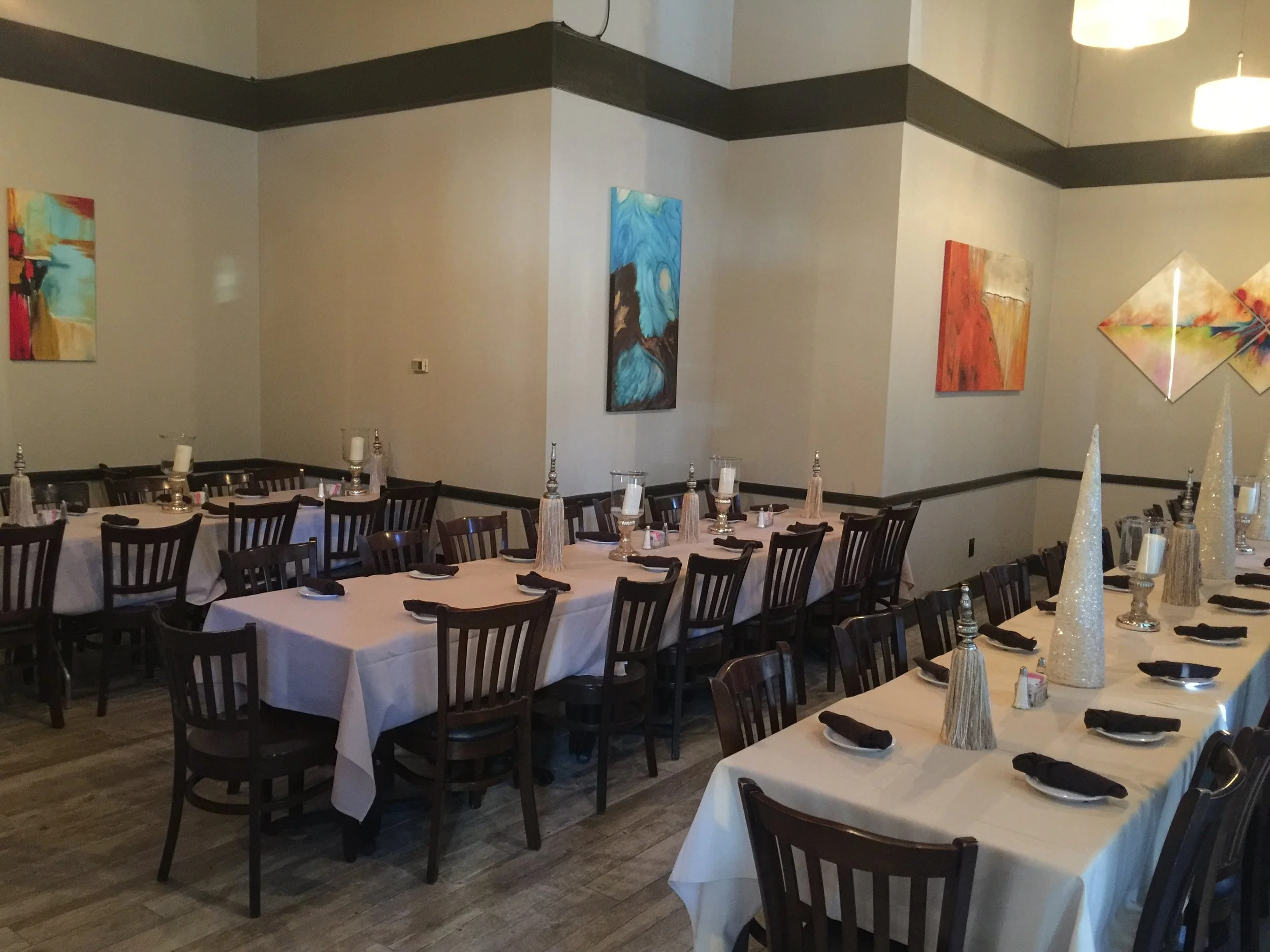
A private dining experience can offer additional privacy, personalized service, and a more controlled setting for discussions.
Leadership meetings, client dinners, partnership conversations, and executive gatherings are examples where a dedicated space may be preferable to an office setting.
Businesses exploring alternatives to traditional event formats may find value in reviewing available private dining options through private room.
The ability to host conversations in a private, professionally managed environment can help create a more focused and memorable experience for guests.
Common mistakes businesses make when choosing catering services
One common mistake is focusing exclusively on price.
While budget considerations are important, businesses often discover that reliability, communication, and service quality have a greater impact on the success of an event.
Another challenge involves waiting until the last minute to secure catering arrangements. Scheduling early typically provides more flexibility and helps avoid unnecessary complications.
Some organizations also overlook attendee preferences, assuming a single menu option will satisfy everyone. Taking dietary needs and preferences into account can improve the overall guest experience.
Finally, businesses sometimes underestimate logistical details such as delivery timing, setup requirements, and serving arrangements. Addressing these elements early can prevent avoidable issues later.
Choosing the right catering partner for your next corporate lunch
Selecting a catering provider involves balancing several factors.
Businesses often evaluate menu options, service reliability, communication, presentation, and overall experience before making a decision.
The best choice will depend on the specific goals of the event, the number of attendees, and the expectations of the organization hosting it.
Companies planning recurring lunches, client meetings, or employee events may benefit from working with providers that offer both flexibility and consistency. Exploring available catering services through catering can help businesses understand the options available for different types of gatherings.
Taking time to evaluate these considerations can contribute to a smoother planning process and a better experience for everyone involved.