Order “Mexican food” in two different restaurants and you might end up with two completely different meals. One arrives with a shredded-cheese-covered plate, ground beef, and a side of yellow rice. The other comes with a handmade corn tortilla, a few precise ingredients, and a sauce that took hours to build. Neither one is wrong. They’re just not the same cuisine, even though they often get lumped under the same name.
That mix-up isn’t a diner’s fault. Menus rarely explain themselves, and plenty of restaurants blend both styles without saying so. But once you know what separates them, ordering gets a lot more interesting, and a lot more satisfying.
What you’ll learn
- Where Tex-Mex actually came from, and why it isn’t a knockoff of Mexican food
- What makes a dish “authentically” Mexican in the first place
- The ingredient and technique differences that show up on almost every plate
- How to read a menu and know what you’re really getting
Two cuisines, one shared name
The confusion starts with geography. Texas and Mexico share a 1,200-mile border, and food has moved across it in both directions for well over a century. Families who migrated north brought recipes with them, adapted them to what was available in Texas markets, and kept cooking. Over generations, that adaptation became its own tradition.
So Tex-Mex isn’t a diluted version of Mexican food. It’s a regional American cuisine with its own history, built by Mexican-American communities in Texas, particularly around San Antonio, going back to the 1800s. Authentic Mexican food, on the other hand, refers to the cooking traditions that developed within Mexico itself, shaped by pre-Hispanic ingredients, Spanish colonial influence, and enormous regional variety from Oaxaca to Yucatán to the Baja coast.
Both are real. Both are worth ordering. They just answer different questions.
Where Tex-Mex actually comes from
Tex-Mex grew out of necessity as much as tradition. Early Tejano cooks worked with what Texas ranch country offered in abundance: beef, wheat flour, and cheddar or Monterey Jack cheese. Comino (cumin), which barely appears in central Mexican cooking, became a signature Tex-Mex spice because Spanish and Canary Island settlers in Texas used it heavily.
That’s how you end up with dishes that read as “Mexican” to most Americans but rarely appear on a menu inside Mexico:
- Chili con carne, a beef and chili stew that Mexico doesn’t claim as its own
- Crispy, fried, hard-shell tacos
- Flour tortilla burritos loaded with rice, beans, and melted cheese
- Fajitas, which actually did originate on Texas ranches, not in Mexico
- Nachos, invented in the border town of Piedras Negras in 1943
None of that makes Tex-Mex less legitimate. It makes it a genuine American regional cuisine, the same way Cajun food is a genuine Louisiana tradition even though it draws from French and West African roots.
What authentic Mexican food really means
“Authentic” gets thrown around loosely in restaurant marketing, so it helps to define it plainly. Authentic Mexican food refers to dishes and techniques that trace back to Mexico’s own culinary lineage: corn-based cooking passed down from Indigenous civilizations, layered with Spanish, and later French and Lebanese, influence after colonization and immigration.
Corn is the backbone. Nixtamalized corn, meaning corn treated with lime to unlock its nutrients, becomes the masa used for tortillas, tamales, and gorditas. That single technique, developed thousands of years ago, still shapes Mexican cooking today.
Authentic Mexican food also leans hard on slow, technique-driven cooking. A proper mole can involve twenty or more ingredients and several hours of preparation. Barbacoa is traditionally cooked underground. Salsas are built from charred, fresh, or dried chiles rather than a bottled base. The result is food that tastes complex without needing much added on top.

Ingredients, technique, and flavor: the real differences
Once you compare the two side by side, the pattern becomes clear. It isn’t about which is spicier or which uses more cheese. It’s about the entire logic of how a dish is built.
Cheese. Tex-Mex uses cheese as a main structural ingredient, melted generously over almost everything. Authentic Mexican cooking uses cheese more sparingly, often crumbled on top as a finishing touch, with varieties like queso fresco or cotija that don’t melt the way cheddar does.
Tortillas. Flour tortillas dominate Tex-Mex, especially in burritos and quesadillas. Corn tortillas are the default across most of Mexico, particularly in central and southern regions, because corn has been the staple grain for thousands of years.
Spice profile. Cumin shows up constantly in Tex-Mex seasoning blends. It’s far less common in traditional Mexican cooking, which relies more on the character of different dried and fresh chiles, epazote, cilantro, and achiote.
Protein and portion style. Tex-Mex plates tend to be large, combination-style meals: a burrito, a side of rice, refried beans, and a salad, all in one serving. Authentic Mexican meals are often built around smaller, more focused plates, like a few well-made tacos, meant to highlight the filling and salsa rather than volume.
Sauces. Tex-Mex chili gravy and queso are cooked in bulk and used across multiple dishes. Mexican salsas are usually made fresh, in smaller batches, and vary by region, occasion, and even by the taquero making them that day.
None of these differences make one style more “correct.” They reflect two different sets of ingredients, climates, and cultural priorities.
Regional Mexican cuisine vs. one Tex-Mex identity
Here’s a distinction that trips up a lot of people: Tex-Mex is fairly consistent from restaurant to restaurant, but “Mexican food” isn’t one thing at all. Mexico’s culinary map changes dramatically by region.
Oaxaca is known for mole and grasshopper-topped dishes. Yucatán leans on citrus-marinated cochinita pibil and habanero salsas. Coastal states like Veracruz and Baja California build meals around seafood. Northern Mexico, closer to the Texas border, actually shares some overlap with Tex-Mex, including a heavier use of beef and flour tortillas, which is part of why the two cuisines get confused so often.
So when someone says a dish “isn’t authentic Mexican food,” it’s worth asking: authentic to which region? A Oaxacan and a diner from Sonora could each call their own grandmother’s cooking authentic and still be describing completely different meals.
Can a restaurant serve both well?
Plenty of restaurants pick a lane, either leaning fully into Tex-Mex comfort food or fully into a single regional Mexican tradition. But some kitchens are built by cooks who grew up moving between both worlds, and that shows up on the plate as a genuine blend rather than a compromise.
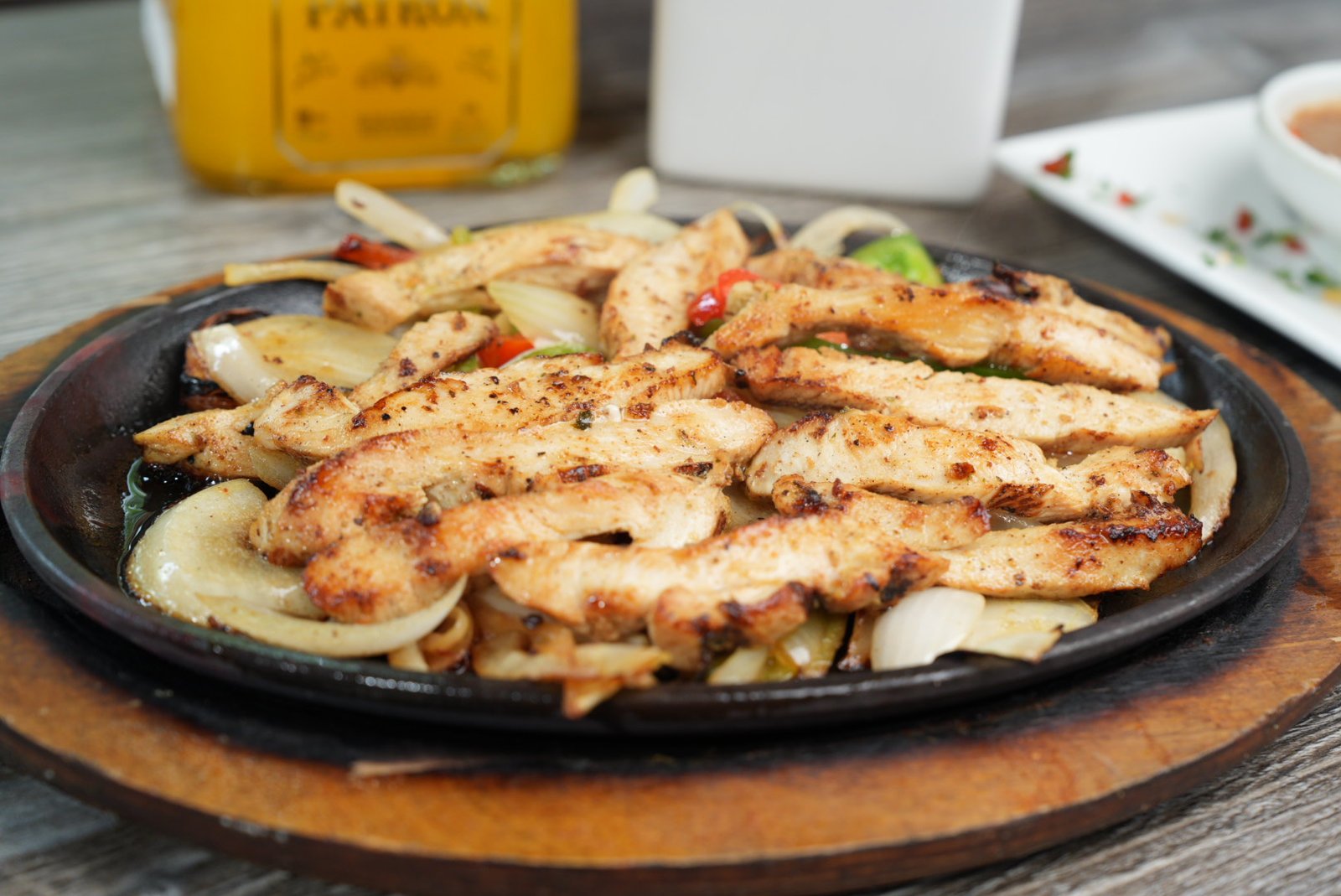
That’s the space RJ Mexican Cuisine occupies in Dallas’ West End. The kitchen draws from traditional Mexican technique, scratch-made salsas, slow-cooked proteins, corn tortillas made the way they’d be made across Mexico, while also serving the sizzling fajitas, loaded queso, and hearty combination plates that define Tex-Mex comfort food. Nothing on the menu pretends to be something it isn’t. A fajita plate is treated as the Texas classic it is, and a mole-adjacent sauce is given the time it actually needs.

How to spot the difference on a menu
A few quick checks make it easy to tell what you’re ordering before the food even arrives:
- Tortilla type. Corn usually signals a more traditional Mexican dish. Flour often points toward Tex-Mex.
- Cheese placement. Melted and covering the dish suggests Tex-Mex. Crumbled on top in a light layer suggests a more traditional approach.
- Sauce name. Terms like mole, adobo, or salsa verde point to Mexican regional cooking. Chili gravy, queso, or “ranchero-style with cheese” usually signal Tex-Mex.
- Portion structure. A single dish built around one protein and one or two salsas leans Mexican. A combination plate with rice, beans, and a side salad leans Tex-Mex.
- Ingredient list. Cumin-forward seasoning is a strong Tex-Mex tell. Dried chile blends, epazote, or achiote point toward Mexican regional cooking.
None of these rules are absolute, since good kitchens borrow across both traditions constantly. But they’re a reliable starting point for reading a menu with more confidence.
The bottom line
Authentic Mexican food and Tex-Mex aren’t competitors in a debate about which one is “real.” They’re two distinct culinary traditions, each shaped by its own history, geography, and community. Tex-Mex earned its identity in Texas kitchens over more than a century. Mexican regional cooking carries thousands of years of technique across dozens of distinct food cultures.
The best way to understand the difference isn’t to argue about it. It’s to taste both, side by side, and notice what each one does exceptionally well.
If that sounds like a good excuse for dinner, RJ Mexican Cuisine in Dallas’ West End puts both traditions on the same table, so you don’t have to choose just one.