A Mexican-themed menu is one of the easiest ways to make an event feel festive without trying too hard. The flavors are bold, the dishes are naturally shareable, and there’s enough variety to satisfy picky eaters and adventurous ones at the same table. But “Mexican food” isn’t a menu on its own. Getting it right takes a bit more thought than just ordering a stack of tacos and calling it done.
Here’s how to actually plan it, step by step, so the food matches the event instead of just filling the table.
Start with the event, not the menu
Before picking a single dish, get clear on what kind of event this is. A backyard birthday party, a corporate lunch, and a wedding reception all call for different approaches, even if the cuisine is the same.
Ask yourself a few questions first: How many guests are coming? Is this a casual, standing-around gathering or a seated, formal one? What’s the budget per person? These answers shape everything that comes after, from how food gets served to how many dishes actually belong on the menu. A 30-person office lunch and a 150-guest wedding shouldn’t have the same plan, even if both want “Mexican food.”
Choose your service format first
The format you choose changes the entire menu, so decide this before picking dishes.
Taco bar. This is the most popular format for a reason. It’s interactive, customizable, and works for almost any group size. Guests build their own plate from a spread of proteins, tortillas, and toppings, which also makes it easy to accommodate different dietary needs without a separate menu.
Buffet style. A step up in variety, a buffet lets you include heartier dishes like enchiladas, fajitas, or pozole alongside rice and beans. It works well for events where guests want a full plate rather than a build-your-own experience.
Plated service. For formal events like weddings or upscale corporate dinners, a plated menu brings more control and presentation. This usually means fewer dish options, but each one is more composed and course-based.

Build the menu with balance, not just favorites
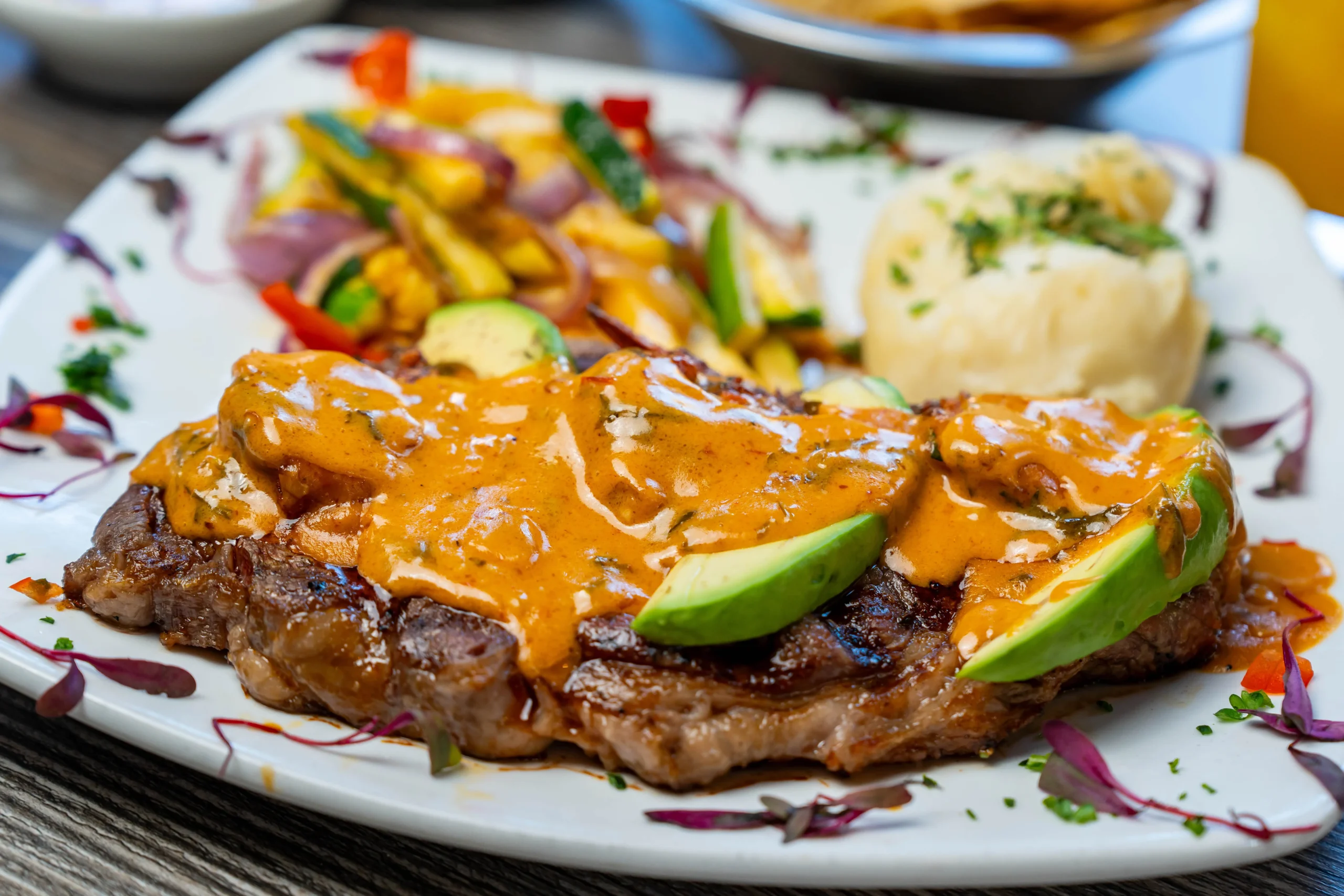
It’s tempting to fill the menu with crowd-pleasers like tacos al pastor and queso, but a well-planned menu balances rich, spicy dishes with lighter options. Include something bright and fresh, like ceviche or a citrus-forward salad, alongside heavier proteins like carnitas or carne asada. This keeps the meal from feeling one-note, especially at longer events where guests are eating over several hours.
Don’t skip the sides. Mexican rice, refried or charro beans, and elotes (Mexican street corn) round out the plate and give guests something familiar to pair with bolder flavors.
Don’t forget the drinks
Drinks are easy to treat as an afterthought, but for a Mexican-themed event, they’re part of the experience. Balance something festive with something non-alcoholic and refreshing.
Agua frescas, light, fruit-based waters in flavors like hibiscus, watermelon, or tamarind, are an easy crowd-pleaser and work for guests of any age. Horchata, a sweet, cinnamon-forward rice drink, is another familiar favorite that pairs well with spicier dishes. If alcohol is on the menu, a signature cocktail like a paloma or a classic margarita gives the bar a focal point without requiring a full cocktail list.

Plan for dietary restrictions from the start
Mexican food actually makes this easier than most cuisines. Corn tortillas are naturally gluten-free, beans and rice work for most vegetarians, and proteins can usually be swapped without changing the rest of the menu. Still, it’s worth asking guests about dietary restrictions early rather than scrambling to adjust the week of the event.
A taco or fajita bar is the simplest format for handling this well, since guests build their own plate and naturally avoid what doesn’t work for them. For plated or buffet service, just make sure at least one protein and one starch option is vegetarian, and that sauces or marinades are labeled if they contain common allergens.

Timing and next steps
For weddings, corporate events, or any gathering over 50 guests, it’s best to lock in your caterer two to three months ahead, earlier if your event falls during a busy season like spring or early summer. This gives enough room to finalize the menu, confirm a guest count, and make any last adjustments without pressure.
Once the format, menu, and drinks are set, the last step is simple: confirm the headcount, walk through any dietary notes with your caterer, and let them handle the rest. A well-planned Mexican menu doesn’t need to be complicated. It just needs the right structure behind it.
At RJ Mexican Cuisine, catering menus are built around this same approach: real dishes, thoughtful balance, and a menu shaped around the event, not the other way around.