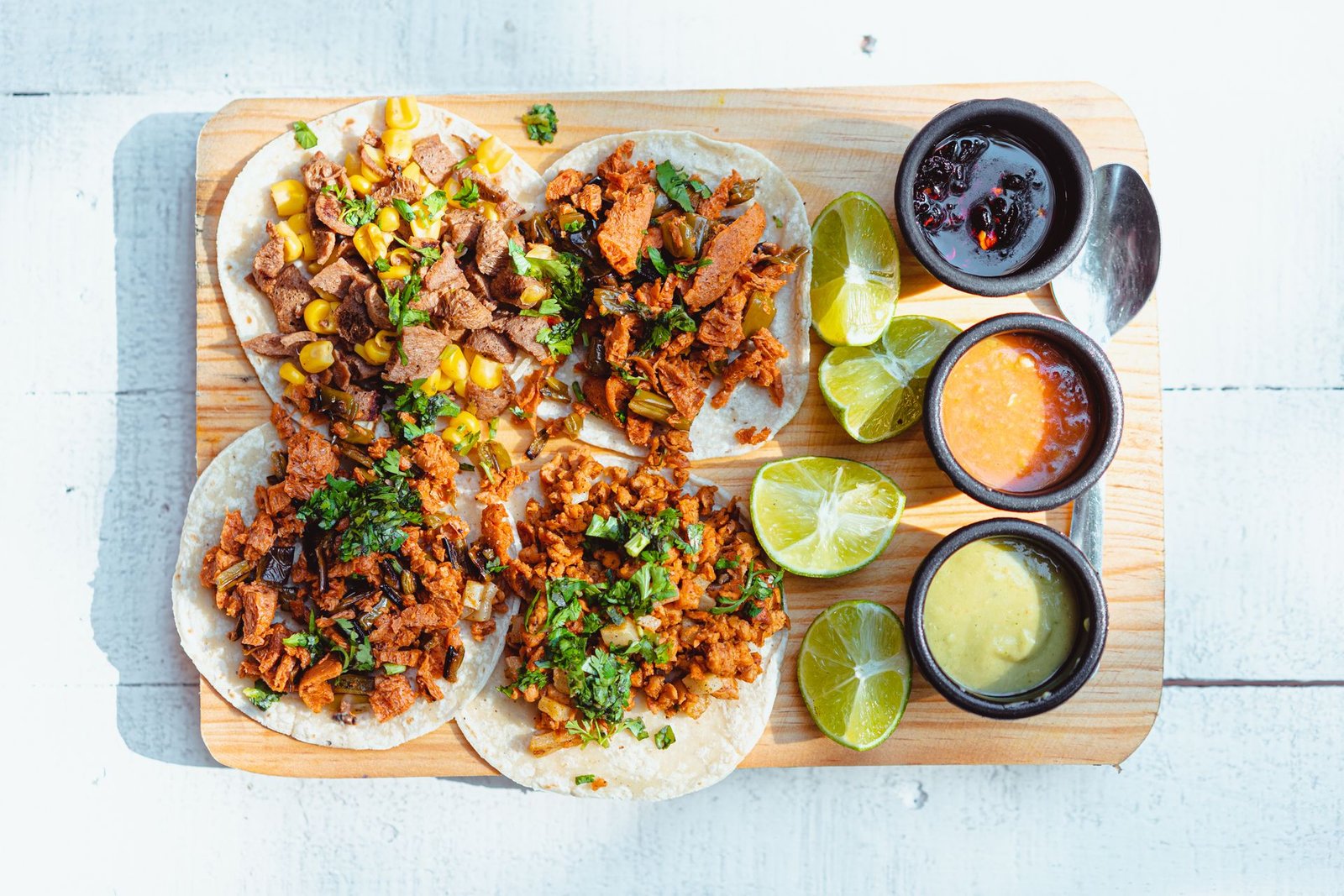
Order a plate of tacos in Tijuana and a plate of tacos in Mérida, and you’ll notice something right away: they barely resemble each other. Different meat, different salsa, different tortilla, sometimes a completely different cooking method. That’s not an inconsistency. It’s the whole point.
Mexican cuisine isn’t one cuisine. It’s a collection of regional traditions shaped by geography, climate, and centuries of history, each one distinct enough that a cook from Oaxaca and a cook from Sonora would barely recognize each other’s kitchens. Understanding that difference is the best way to actually understand Mexican food, instead of flattening it into a single idea of “tacos and salsa.”
Why Mexican food changes so much from region to region
Mexico stretches across deserts, tropical coastlines, mountain valleys, and dense jungle. Each of those environments produces different ingredients, and people cook with what grows around them. A rancher in the north has access to cattle and wheat. A fisherman on the Pacific coast builds meals around the day’s catch. A cook in Oaxaca works with the corn, chiles, and herbs that have grown in that valley for thousands of years.
History adds another layer. Indigenous civilizations, particularly the Maya and the Aztec, developed sophisticated food systems long before Spanish colonization. When Spanish, and later African and Asian, influences arrived, they didn’t replace what existed. They blended into it, region by region, at different times and in different ways. That’s why the food of Chiapas and the food of Chihuahua can both be called “Mexican” while tasting like they come from different countries entirely.
The north: ranching country and simple, hearty flavors
Northern Mexico is cattle country, and the food reflects it. States like Sonora and Chihuahua built their culinary identity around beef, particularly carne asada, grilled over an open flame and served simply, without heavy sauces getting in the way.
This is also the region where flour tortillas dominate instead of corn, a direct result of the wheat that grows well in this drier climate. Dishes here tend to be less about complex sauces and more about quality protein, simple seasoning, and technique. It’s food built for ranch work: filling, direct, and unfussy.
The center: where Mexico’s culinary identity took shape
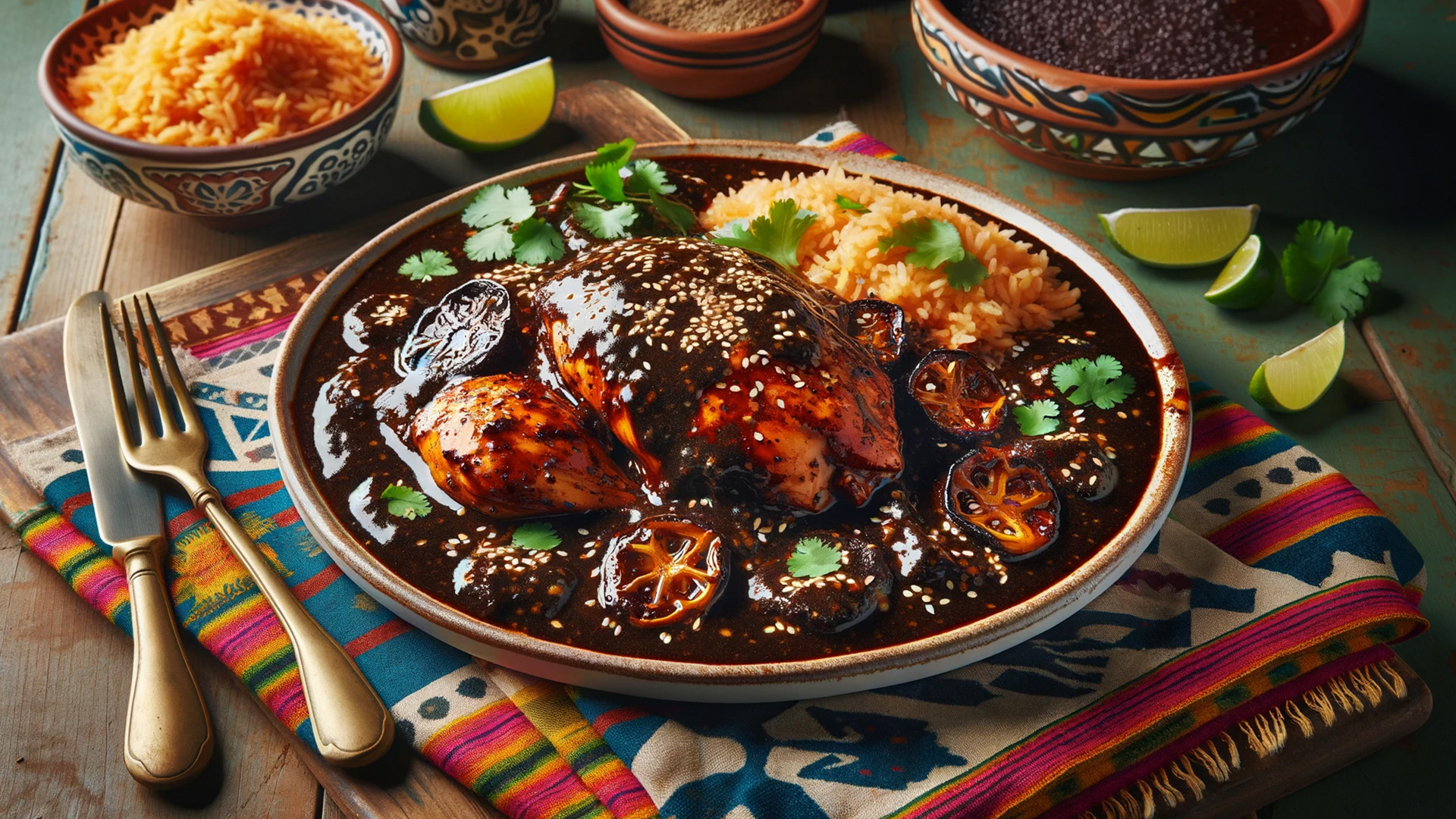
Central Mexico, including Mexico City, Puebla, and the Morelos region, is where indigenous and Spanish culinary traditions merged most intensely. This is the birthplace of mole, the rich, slow-cooked sauce that can include dozens of ingredients: chiles, spices, chocolate, nuts, all balanced into something far more complex than “spicy” or “sweet.”
Puebla in particular is credited with mole poblano, though versions of mole exist across the country, each with its own regional signature. This is also the region where you’ll find chiles en nogada, a dish that layers savory, sweet, and creamy in a single bite, and one that shows just how far Mexican cooking goes beyond the combination-plate version most people know.
Oaxaca: the land of seven moles
If Puebla gave the world mole poblano, Oaxaca gave it an entire family of them. Oaxacan cuisine is often described as having seven distinct moles, each with its own color, ingredient base, and personality, from the deep, almost bitter mole negro to the bright, herbaceous mole verde.
Oaxaca is also where Oaxaca cheese comes from, a stringy, mild cheese that developed after European cattle arrived but was adapted by indigenous cheesemakers into something entirely its own. The region’s highland communities have preserved much of their pre-conquest cooking, making Oaxaca one of the best places in the country to taste techniques that predate the Spanish arrival by centuries.

The Pacific coast: where the ocean sets the menu
Travel west to Sinaloa, Nayarit, or Baja California, and the kitchen changes again. This is Mexico’s seafood country, where the day’s catch decides what ends up on the table rather than what’s been simmering for hours.
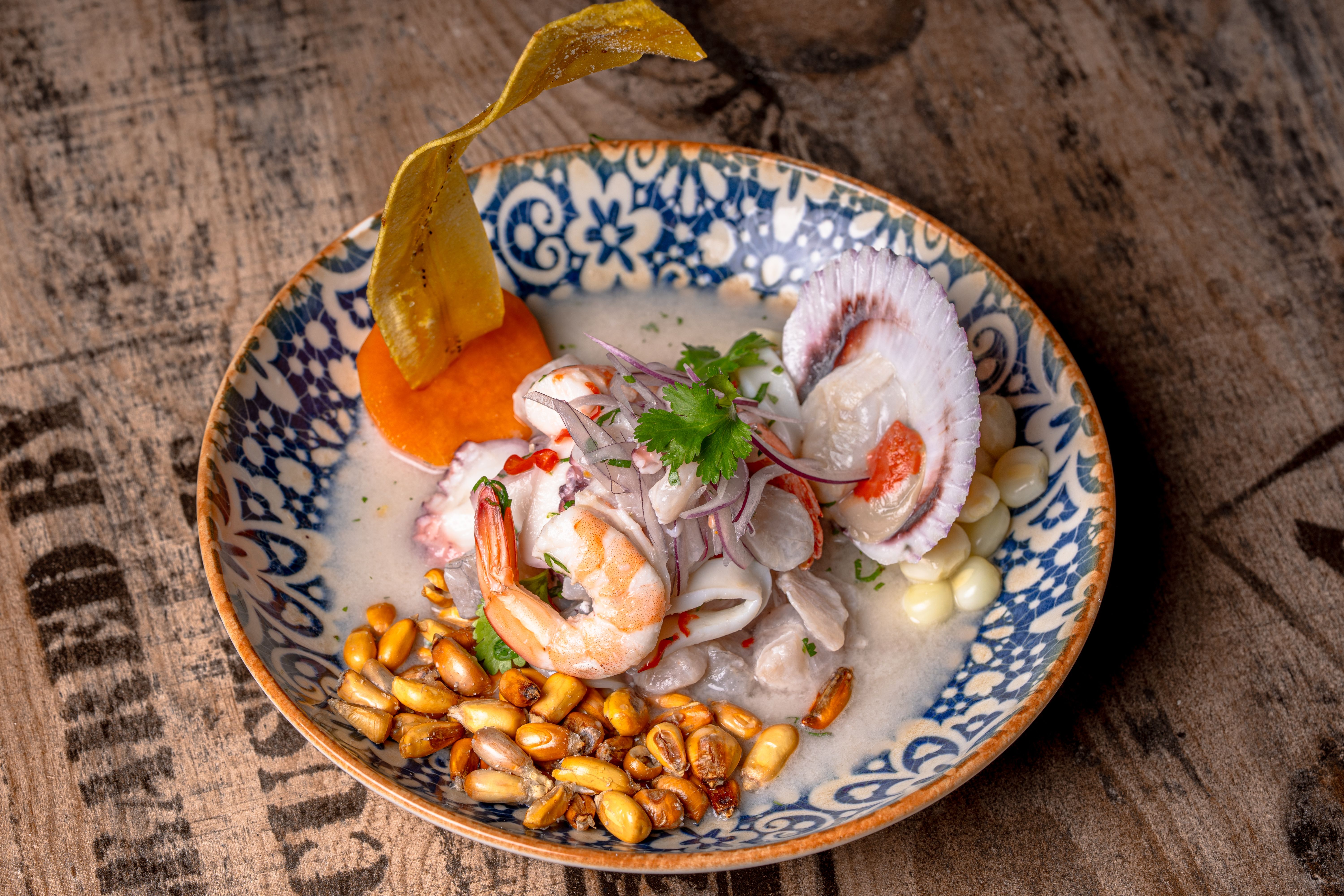
Ceviche, raw fish or shrimp cured in citrus, is a staple here, along with aguachile, a spicier, more intense cousin made with fresh chile and lime juice poured directly over shrimp just before serving. These dishes are light, bright, and built for hot coastal weather, a sharp contrast to the slow-cooked, chile-rich dishes of central Mexico. The Pacific coast is proof that Mexican food isn’t always about heat and depth. Sometimes it’s about freshness and speed.
The Yucatán peninsula: Maya roots and citrus-forward flavor
Few regions have preserved their pre-colonial identity as clearly as the Yucatán. This is Maya territory, and it shows in almost every dish. Achiote, a earthy, slightly peppery seasoning made from annatto seeds, colors and flavors much of the region’s cooking, most famously in cochinita pibil, pork marinated in achiote and sour orange, then wrapped in banana leaves and slow-roasted.
The Yucatán also leans heavily on habanero chile, used more for its fruity aroma than pure heat, and on citrus, a legacy of the region’s long trade relationship with the Caribbean. The result is food that tastes noticeably different from the rest of the country: brighter, more citrus-forward, and built around techniques that predate the Spanish by centuries.

What ties every region together
Despite all these differences, a few things show up almost everywhere in Mexico. Corn is the clearest example. Nixtamalization, the ancient process of treating corn with lime, is what turns raw kernels into the dough used for tortillas, tamales, and countless other dishes, and it’s practiced from the north to the south, even as the specific dishes it produces change completely from region to region.
Chile is the other constant, though never in the same way twice. What varies is which chile, how much, and what role it plays: base flavor in a mole, sharp heat in an aguachile, or subtle warmth in a Yucatecan marinade. Corn and chile are the thread. Everything else is regional interpretation.
Tasting the regions without leaving the table
Understanding Mexican food this way changes how you order. A mole isn’t just “a sauce.” It’s a reflection of Puebla or Oaxaca’s history. A plate of cochinita pibil carries Maya technique that’s older than the country itself. Even something as simple as a taco changes meaning depending on whether it’s wrapped in a corn or flour tortilla.
At RJ Mexican Cuisine, that regional variety is part of what shapes the menu. Rather than flattening Mexican food into one style, the goal is to give guests a genuine taste of the traditions behind each dish, the kind of cooking that reflects real regions, real history, and real technique, not a shortcut version of it.