Every September, restaurants fill up, flags come out in green, white, and red, and someone inevitably asks: is this the same as Cinco de Mayo? It isn’t, and the difference matters. Mexican Independence Day, celebrated on September 16, marks the beginning of Mexico’s fight for freedom from Spain. Cinco de Mayo, by contrast, commemorates a single military victory decades later, in 1862. They’re different events, different centuries, and different reasons to celebrate.
Understanding what actually happened on September 16, and why it’s still celebrated with so much pride today, makes the holiday mean a lot more than fireworks and flags.
The night that started it all
The story begins before dawn on September 16, 1810, in the small town of Dolores, in what’s now the state of Guanajuato. A Catholic priest named Miguel Hidalgo y Costilla gathered his congregation and delivered a call to arms, urging them to rise up against Spanish colonial rule. That speech became known as El Grito de Dolores, the Cry of Dolores, and it’s considered the spark that ignited Mexico’s War of Independence.
Hidalgo wasn’t a soldier or a politician. He was a parish priest who saw the injustice of colonial rule up close, particularly toward Mexico’s indigenous and mestizo communities, and decided to act. His words that morning, spoken rather than written down, turned him into the founding figure of Mexican independence.
Why independence took another eleven years
Hidalgo’s uprising didn’t win independence overnight. What followed was an 11-year struggle, filled with setbacks, new leaders, and shifting alliances, before Mexico formally gained independence from Spain on September 27, 1821. Hidalgo himself didn’t live to see it. He was captured and executed less than a year after El Grito, but the movement he started kept going without him, carried forward by other leaders who picked up where he left off.
That’s part of why September 16 carries so much weight. It’s not a celebration of a finished victory. It’s a celebration of the moment courage turned into a movement, even though the actual fight was far from over.

How Mexico reenacts that moment today
Every year, on the night of September 15, Mexico relives Hidalgo’s call to arms through a ceremony known as El Grito. In Mexico City, the president steps onto the balcony of the National Palace, rings the same bell Hidalgo is said to have used, and shouts a version of the original cry, ending with “¡Viva México!” The crowd below, sometimes numbering in the hundreds of thousands, shouts it back.
The same ceremony plays out in smaller versions across every Mexican town and city, led by local officials, and in Mexican embassies around the world. It’s followed by fireworks, music, and a celebration that runs well into the night, which is part of why September 16 itself tends to be a slower, more restful day.
The colors, the food, and the music that fill the day
Green, white, and red show up everywhere during the celebration, on flags, decorations, and even in food, since dishes like chiles en nogada intentionally showcase all three colors in a single plate. Mariachi music fills plazas and restaurants, and folkloric dance performances are common at public events throughout what Mexicans call “el Mes de la Patria,” the Month of the Homeland, since patriotic pride runs through the entire month of September, not just the 16th.
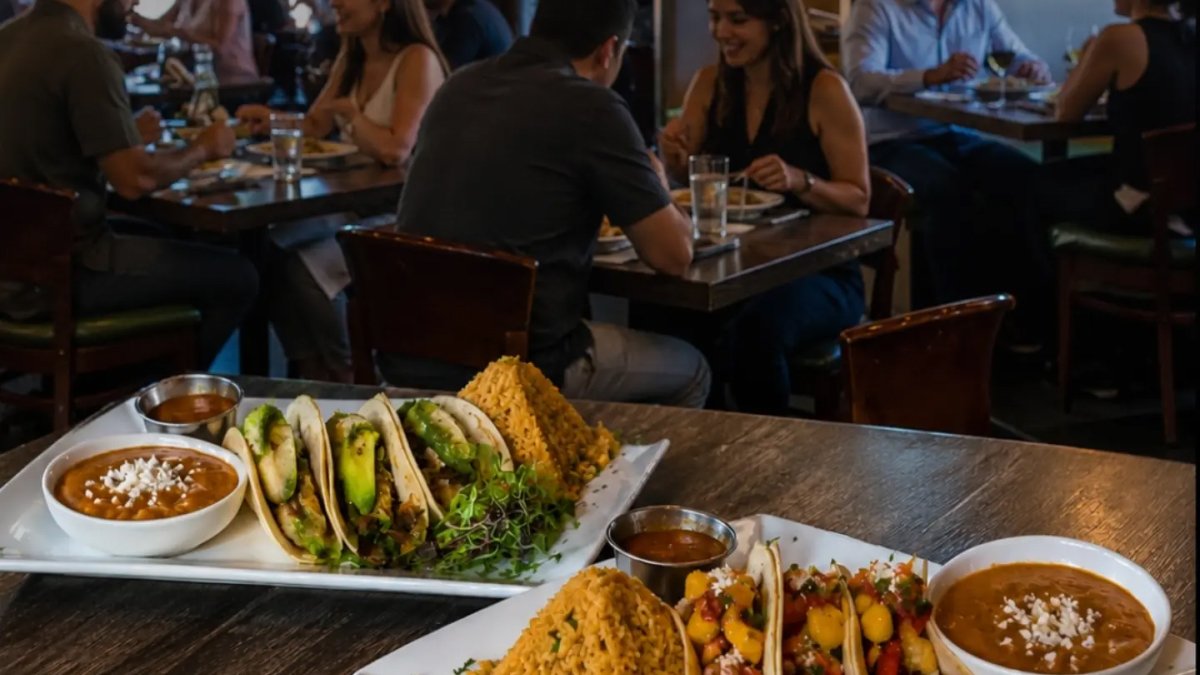
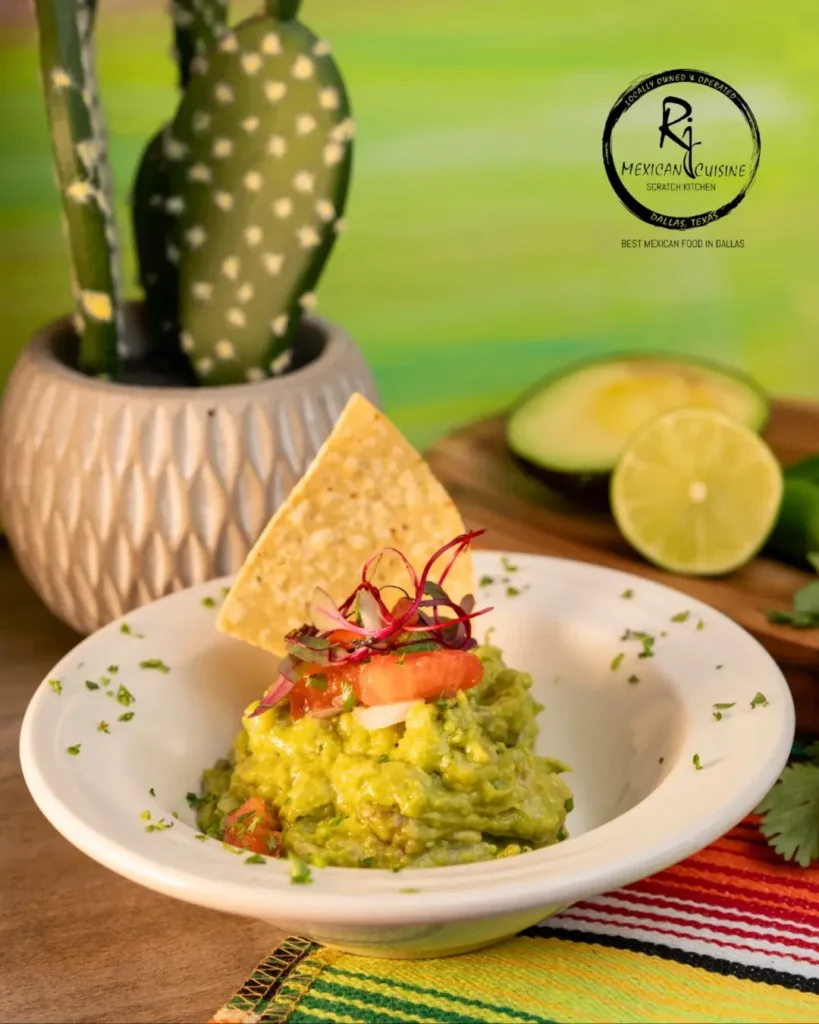
Food plays a central role too. Pozole, tacos, tamales, and other traditional dishes are common at family gatherings and public celebrations alike, often paired with a cold drink and shared among a full table of family or friends. It’s less about a single “traditional dish” and more about the spirit of a shared, generous table, exactly how the holiday is meant to feel.
A holiday that reaches far beyond Mexico’s borders
You don’t have to be in Mexico, or be Mexican, to take part. Mexican Independence Day is celebrated widely across the United States and other countries with strong Mexican communities, often through parades, community events, and restaurant celebrations that bring the same spirit of pride and celebration to a new setting.
That’s really what the holiday is about at its core: honoring a moment of courage, and doing it the way Mexican culture does best, together, around food, music, and family.
At RJ Mexican Cuisine, September 16 is a chance to celebrate that same history with the community, through the food, flavors, and traditions that make the holiday meaningful in the first place.